Starting with Features to Usability: Picking The Best CRM Wisely
Choosing a suitable CRM system is a pivotal decision for any business aiming to improve their customer interactions and simplify processes. In the modern business environment, where customer expectations are constantly shifting, having a strong CRM system can significantly affect your business's success. It is important to consider more than just the software's features and pay attention to how well it matches your business goals and the specific needs of your workforce.
Comprehending the functionality that is important to your business is critical in this choosing process. With countless options available, it can be difficult to ascertain which customer relationship management system will truly aid your processes, improve customer service, and eventually boost revenue. This article will direct you through the essential considerations required to make an informed decision, making sure that your investment into customer relationship management is worthwhile in the years to come.
Grasping CRM Features
While investigating customer management systems, it is crucial to understand the various characteristics that distinct solutions offer. Features can range from simple contact management to sophisticated analytics and automated functions. This is essential to recognize which features are truly important to your organizational requirements. Commence by reviewing how each function aligns with your existing operations and desired outcomes, making sure they will enhance your customer interactions and total effectiveness.
Automated processes is a significant aspect in numerous CRM solutions. This allows businesses to simplify routine tasks, organize process flows, and increase productivity. Search for features that enable automated follow-ups, prospect evaluation, or connectivity with marketing tools, which can reduce time and lessen manual errors. By streamlining these processes, your staff can dedicate more on cultivating connections with customers rather than being encumbered by administrative tasks.
Analytics and reporting features are an additional vital aspect to take into account. A good CRM should provide insights into customer behaviors, sales performance, and marketing effectiveness. Evaluating how a CRM manages data visualization and analytics will help you monitor your metrics effectively. The capacity to follow customer interactions and measure the effectiveness of your strategies is important in facilitating informed decisions that can contribute to improved client contentment and retention.
Evaluating Corporate Requirements
Beforehand selecting a client relationship management software, it is essential to carefully assess your business requirements. Start by determining the key issues you deal with in overseeing customer relationships. Consider factors such as sales tracking, customer service effectiveness, and the level of customer interactions. Gathering input from multiple departments can provide a complete view of your business's needs.
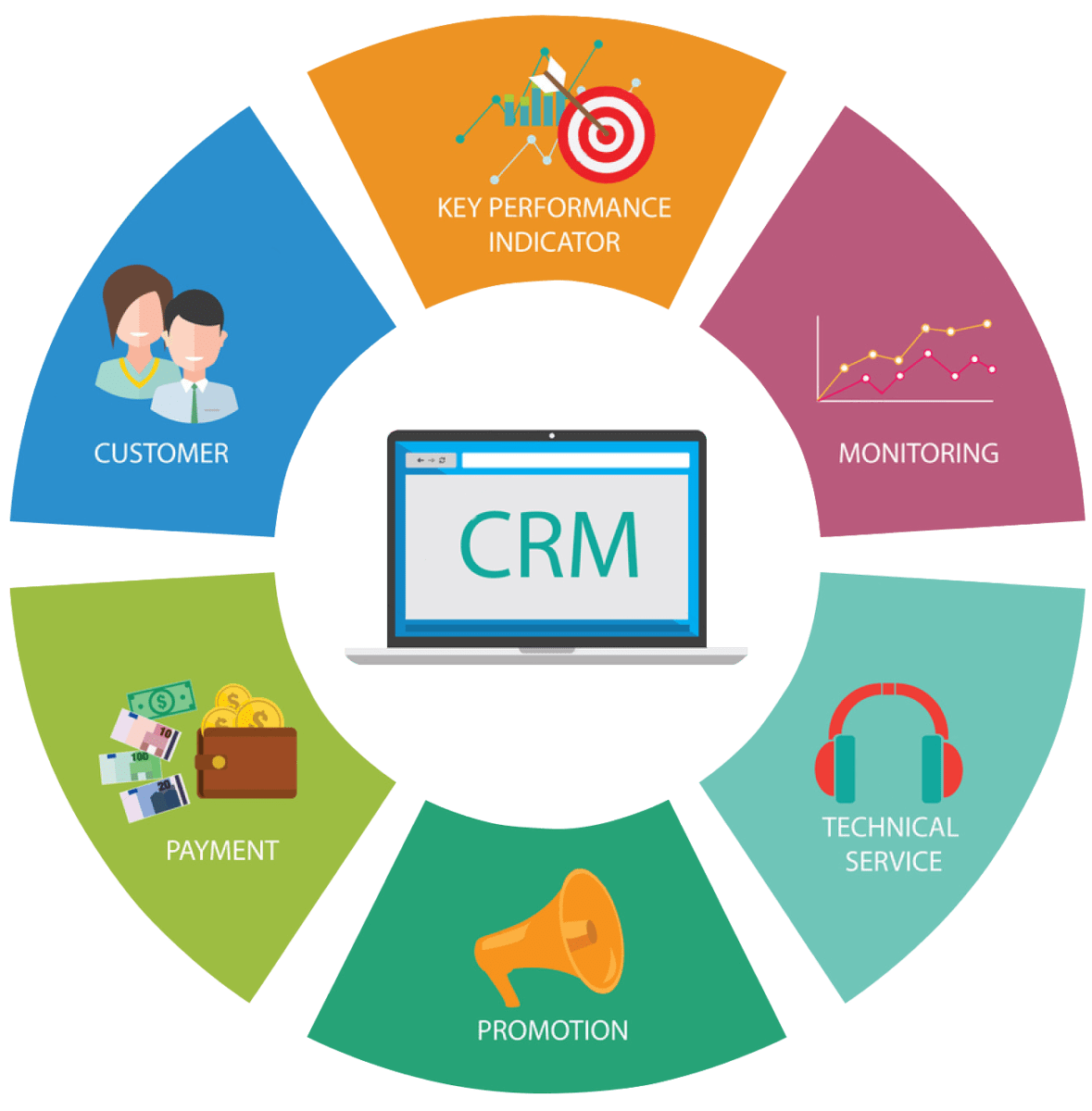
Next, assess the scale of your business. A tiny business may require basic functionality, while larger enterprises might need advanced features such as automation tools, detailed reporting capabilities, and integration with other systems. Consider whether crm training can be enhanced through technology and how a CRM can simplify these processes. Understanding these aspects will help you match the CRM capabilities with your business goals.
Finally, consider about your customer interactions and how you connect with customers. Various industries may have specific needs when it comes to customer relationship management. For example, a retail business might focus on customer engagement through promotional automation, while a service-oriented company may focus more on ticketing and customer service. By precisely outlining your business requirements, you will be better equipped to select a CRM that optimally aligns with your objectives and improves customer satisfaction.
Assessing CRM Functionality
As you are choosing a CRM system, it is crucial to review its functionality in light of your business requirements. A customer relationship management system should streamline operations, enhance customer engagement, and provide insightful insights into your sales activities. Reflect on your specific requirements, such as lead management, reporting capabilities, and compatibility with pre-existing applications. A system that aligns well with your business model can drastically enhance your team's productivity.
Then, assess the user experience and availability of the customer relationship management platform. A user-friendly interface get your team to utilize the platform rapidly, minimizing disruption and ensuring that everyone can take advantage of the features of the CRM competently. Additionally, search for mobile access and cloud options, as these capabilities allow for adaptability and real-time updates, which are essential in today’s fast-paced world.
In conclusion, consider the scalability of the customer relationship management solution. As your business expands, your system should be able to adjust to increased needs and changes in your customer base. Search for capabilities that enable customization and scaling, including adding users, integrating more resources, or enhancing functionalities. A future-proof CRM system can support your growing objectives and support robust customer relationships long-term.